Slot Volatility Malaysia | TWCBET
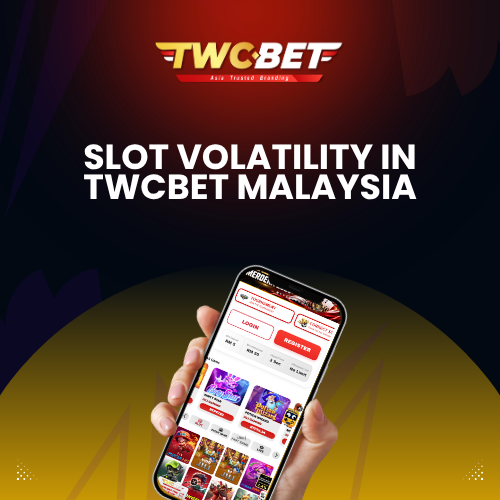
Two slot games can share the exact same return to player figure and still feel completely different to play, and the reason for that comes down to volatility rather than payout rate. At TWCBET, understanding volatility, also called variance, helps you choose games that actually match your bankroll and the kind of session you want to have. This guide focuses purely on what volatility means and how to use it when picking a slot, separate from the detailed payout rate verification covered in our companion piece on RTP slot rates by provider. Once you understand both concepts together, choosing a slot becomes a much more informed decision.
What Volatility Actually Means In A Slot Game
Volatility describes how a slot pays out over time, specifically the size and frequency of wins rather than the overall percentage returned. A low volatility game tends to produce smaller wins fairly often, keeping your balance relatively stable across a session, while a high volatility game can go long stretches without paying anything before delivering a large win. This is a completely separate concept from return to player, which only measures the average amount returned across millions of spins regardless of how that money is distributed. Two slots can share an identical return to player figure yet feel completely different to play because of how differently they distribute those returns. Providers usually indicate volatility somewhere in the game information panel, often using a simple scale such as low, medium, or high.
Low Volatility Slots And What To Expect From Them
Low volatility slots are built around frequent, modest wins that arrive often enough to keep a balance ticking over without huge swings in either direction. Sessions on these games tend to feel smooth and predictable, which makes them popular with players who want their bankroll to last a long time or who simply enjoy steady, uneventful play. Because wins are smaller, the maximum payout on a low volatility title is usually modest compared with the biggest prizes available on higher variance games. These titles are often a comfortable starting point for newer players who want to understand slot mechanics without the stress of long dry spells between wins.
High Volatility Slots And The Trade Offs They Involve
High volatility slots flip the pattern entirely, offering long periods where nothing much happens punctuated by the possibility of a very large win relative to your stake. These games demand patience and a bankroll large enough to absorb extended losing streaks without running out before a big win arrives. The appeal is obvious for players chasing a significant multiplier or a headline jackpot style payout, but the emotional experience can be far more stressful than a steadier low volatility session. Many high volatility titles include bonus features, such as free spin rounds or multipliers, that are specifically responsible for delivering the bulk of the game's overall return.
Medium Volatility As A Middle Ground
Medium volatility slots sit between the two extremes, offering a mix of moderate sized regular wins alongside occasional larger payouts that are more attainable than the rare jackpots found on high variance titles. This balance makes medium volatility games a popular default choice for players who want some excitement without committing to the long dry spells associated with high volatility play. Many of the most widely played slot titles in the market actually sit in this middle category precisely because it appeals to the broadest range of playing styles. If you are unsure where to start after moving past low volatility games, medium volatility is usually a sensible next step.
How Hit Frequency And Jackpot Size Trade Off Against Each Other
Hit frequency refers to how often a slot produces any winning spin at all, and it generally moves in the opposite direction from potential jackpot size. A slot with a very high hit frequency, meaning wins land often, usually caps its maximum payout multiplier at a relatively modest level because the game's overall return has to be spread across many smaller wins. Conversely, a slot with a low hit frequency can afford to offer an enormous top prize precisely because that prize is rarely triggered, keeping the long run average payout in balance. Understanding this trade off helps explain why a game advertising a massive maximum win almost always pairs it with noticeably quieter regular play in between.
Choosing Volatility Based On Your Bankroll And Play Style
Matching volatility to your available bankroll and the length of session you want is the single most practical use of this concept. A smaller bankroll generally pairs better with low or medium volatility titles, since high volatility games can burn through funds quickly during a dry stretch before any meaningful win appears. Players who enjoy shorter, high energy sessions and are comfortable with the possibility of ending with nothing might prefer high volatility titles for the thrill of a potential big multiplier. It also helps to think about how any promotional balance is being used, since credits from a promotion such as the ones covered on our free credit page can be a lower risk way to test a higher volatility title before committing your own funds to it.
How Volatility Interacts With Session Length
The volatility level of a game has a direct effect on how long a given bankroll is likely to last and how a session actually feels from spin to spin. Low volatility games tend to stretch a fixed budget across more spins because losses and gains are both smaller and more frequent, producing a longer, steadier session overall. High volatility games can end a session very quickly if a dry stretch hits early, but they can also extend a session dramatically if an early bonus round pays out well. Setting a loss limit before you start becomes especially important on higher volatility titles, since the swings between spins can be large enough to drain a budget faster than expected.
Conclusion
Volatility is one of the most useful concepts for choosing a slot that actually suits how you want to play, sitting alongside but separate from return to player as a factor worth understanding. Low volatility rewards patience with steady, frequent wins, high volatility rewards patience with the chance of a much larger prize, and medium volatility offers a workable balance between the two. If you also want to understand how payout rates are verified across providers, our guide to RTP slot rates at TWCBET covers that topic in depth. You can explore the full range of slot titles across every volatility level on the TWCBET Slot Game hub, or head back to the TWCBET homepage to see everything else on offer.
Frequently Asked Questions
Is high volatility the same thing as a low return to player rate
No, volatility and return to player measure two completely different things, and a game can have a high advertised return to player while still being high volatility, or a lower return to player while being low volatility. Return to player is about the long run average amount returned, while volatility is about how that amount is distributed across wins of different sizes and frequencies.
How can I tell a slot's volatility before playing it
Most providers list a volatility rating directly in the game information screen, usually shown as low, medium, or high, sometimes alongside a numeric scale. If that information is not immediately visible, looking at the size of the maximum win multiplier relative to how often bonus features trigger can also give a rough indication.
Which volatility level is best for a beginner
Low or medium volatility games are usually a more comfortable starting point because they provide more frequent feedback in the form of regular wins, which helps a newer player understand how the game behaves without a long, discouraging dry spell. Once you are comfortable managing a bankroll, experimenting with higher volatility titles becomes easier to do without excessive stress.
Does volatility change during a single game session
The underlying volatility of a slot is fixed by its design and does not change from session to session, but the outcomes you personally experience will still vary randomly around that underlying pattern. A high volatility game can occasionally produce a calmer looking session purely by chance, just as a low volatility game can occasionally deliver an unusually strong run of wins.
Should I always choose the highest volatility slot available for the biggest possible win
Not necessarily, since the biggest theoretical win only matters if your bankroll and risk tolerance can comfortably absorb the long dry spells that typically come with high volatility play. Matching the volatility level to your available funds and the kind of session you actually want to have will usually lead to a more enjoyable experience than chasing the largest possible headline prize.