Fishing Games Malaysia: A Strategy Guide to Smarter Play
Fishing games look simple on the surface. A cannon, a screen full of swimming targets, and a trigger button. But underneath that easy going presentation is a layer of decision making that separates a player who understands the mechanics from one who is just clicking at random. This guide walks through the strategic side of fishing games, the concepts experienced players use to think about weapon choice, target priority, point values, multipliers and pacing. It is written as an educational overview of how the genre works, not a promise of results, because no game of chance can guarantee an outcome. If you already know what fishing games are and which providers make them, this article goes a level deeper into how thoughtful players approach a session at TWCBET.
Weapon and Cannon Selection Logic
Every fishing title gives players a range of cannon or weapon levels, usually shown as a numbered scale from a light, fast firing option to a heavier, slower one. Choosing a cannon level is really a trade off between frequency and cost. A lower level cannon fires cheaply and often, which means more attempts land on the screen but each shot carries less weight, making it suited to picking off small, fast moving fish that dart across the tank in schools. A higher level cannon costs more per shot and fires more slowly, but it hits harder, which matters when a target has a thick shell, a slow health bar, or boss level defenses that shrug off weaker rounds. Understanding this trade off is the first real strategic decision in any fishing session, because the cannon setting a player leaves running in the background will quietly shape how the rest of the round plays out, long after the initial choice is made.
Reading Point Values Before You Aim
Each fish or sea creature on the board is assigned a point value, and this is usually visible somewhere on the interface, either as a number near the creature or in a legend accessible from a menu icon. Small fish carry low values because they are easy to hit and appear in large numbers, while slower or more heavily armored creatures carry higher values to compensate for how much firepower it takes to bring them down. Reading these values before committing shots matters because it tells a player where their spending is actually going. Aiming purely at whatever crosses the screen first, without any sense of what that target is worth relative to the cost of the shot, is one of the most common habits that separates a casual click and hope approach from a more considered one, and understanding the value hierarchy is a foundational skill regardless of which specific fishing title is being played.
Targeting Priority: Small Fish Versus Big Bosses
A recurring strategic question in fishing games is whether to spend the session chasing large boss fish or working through the steady stream of smaller targets. Boss fish, when they appear, usually come with a visible health bar that depletes as shots land, and they tend to attract fire from every player at a shared table if the game is a multiplayer format. Committing cannon power to a boss is essentially a bet that enough total firepower, from the player and often others sharing the tank, will bring it down before it swims off screen, and the reward is typically proportional to how much of the group's damage output is being contributed. Smaller fish, by contrast, offer a steadier and more predictable pattern of low value hits. Many experienced players think of this less as an either or choice and more as a spectrum, adjusting how much of their session budget leans toward chasing bigger, less certain targets versus maintaining a baseline of consistent, low cost shots, depending on how the round is unfolding. Weighing value against certainty is a similar exercise to comparing verified payout rates by provider when choosing a slot game.
Multipliers, Combos and Special Fish
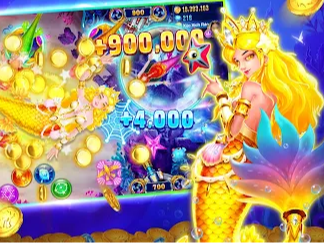
Beyond flat point values, most fishing games introduce multiplier mechanics that change how a hit is scored. Some special fish, when hit, apply a temporary multiplier to every other shot fired during a short window, while others trigger a freeze effect, a net that catches multiple targets at once, or a chain effect that spreads to nearby creatures. These mechanics exist to add variance and texture to a genre that would otherwise be fairly repetitive, and recognizing which special fish are on screen, and what their icon or animation signals, is part of reading the board effectively. A player who understands that a golden or glowing fish variant usually signals a bonus mechanic, rather than treating it as just another target, is engaging with the game on a more informed level, even though the appearance and behavior of these special creatures varies from one title and provider to the next. Bonus triggers of this kind are conceptually close to the multiplier features found across many slot games.
Session Pacing and Bankroll Awareness
Because fishing games charge per shot rather than per spin, pacing works differently than it does in a typical slot format. A player firing continuously at a high cannon level will burn through a session budget far faster than one who mixes in lower cost shots and takes breaks between bursts of activity. Setting a rough sense of how long a session should last, and how much of a budget is allocated to it, before starting is a basic form of self discipline that applies to any gambling activity, not just fishing games specifically. TWCBET, like most responsible platforms, provides account level tools that let players set limits on time or spend, and using them is a sensible habit for anyone who wants their fishing sessions to stay enjoyable rather than becoming something that runs on autopilot. Mindful pacing is not about guaranteeing a particular result, it is simply about staying in control of the pace at which a session unfolds.
Reading the Table Before Committing
In multiplayer fishing formats, the shared tank means other players' cannon fire is visible on the same screen, and this creates useful information for anyone paying attention. If several other seats are concentrating fire on a particular boss fish, joining in with even a modest cannon level can add a productive contribution without needing to carry the full cost alone. Watching how a table behaves for a minute or two before committing heavily is a habit borrowed from other skill adjacent games, and it applies reasonably well to fishing formats too, since the environment is dynamic and shared rather than private and static. This kind of situational awareness is a soft skill that develops with time spent in the genre rather than something that can be reduced to a fixed rule.
Adapting Strategy Across Different Titles
Not every fishing game uses the same scoring structure, cannon range or special fish behavior, and providers each bring their own design choices to the format. A strategy that works well in one title, such as leaning heavily on a mid range cannon for steady value, might not translate directly to a game with a much narrower point spread or a different boss mechanic. Part of building genuine skill in this genre is spending enough time in a handful of different fishing titles to notice how their systems differ, rather than assuming every fishing game plays out identically once the general shooting mechanic is understood. Players exploring the fishing selection at TWCBET will find that titles vary meaningfully in pace and structure, and treating each one as its own small learning curve tends to produce a more informed player over time.
Conclusion
Fishing games reward players who take a few minutes to understand how cannon levels, point values, multipliers and pacing interact, even though, like all casino style games, outcomes remain governed by chance and no strategic approach changes that underlying fact. Thinking about a session in terms of these concepts is less about chasing a particular result and more about playing with a clearer sense of what is actually happening on screen. Approaching the genre this way tends to make sessions more engaging and better paced, which is ultimately what separates a thoughtful player from one who is simply clicking.
Frequently Asked Questions
Does a higher cannon level improve the odds of hitting a fish?
A higher cannon level generally increases the damage or value applied when a shot connects, but it does not change the underlying chance mechanics of the game. It is a trade off between cost, speed and impact rather than a way to influence probability directly.
What is the difference between chasing boss fish and targeting small fish?
Boss fish carry higher potential value but require sustained firepower, often shared among several players at a table, before they are defeated. Small fish are cheaper and more frequent targets that offer a steadier, lower value pattern of hits across a session.
How do multipliers work in fishing games?
Multipliers are usually triggered by hitting a specific special fish, and they temporarily increase the value of subsequent shots for a short window. The exact trigger and duration vary by game and provider, so it helps to check the in game rules or paytable for specifics.
Is there a best cannon level to use in every fishing game?
There is no single cannon level that works best across every title, since scoring structures and point spreads differ between games. Many players adjust their cannon level based on what they are targeting and how a particular session is unfolding.
How can I keep a fishing game session under control?
Setting a time or spend limit before starting, and using account tools like those available on TWCBET, is a practical way to keep sessions from running longer than intended. Taking breaks between bursts of firing also helps maintain a clearer, more mindful pace of play.